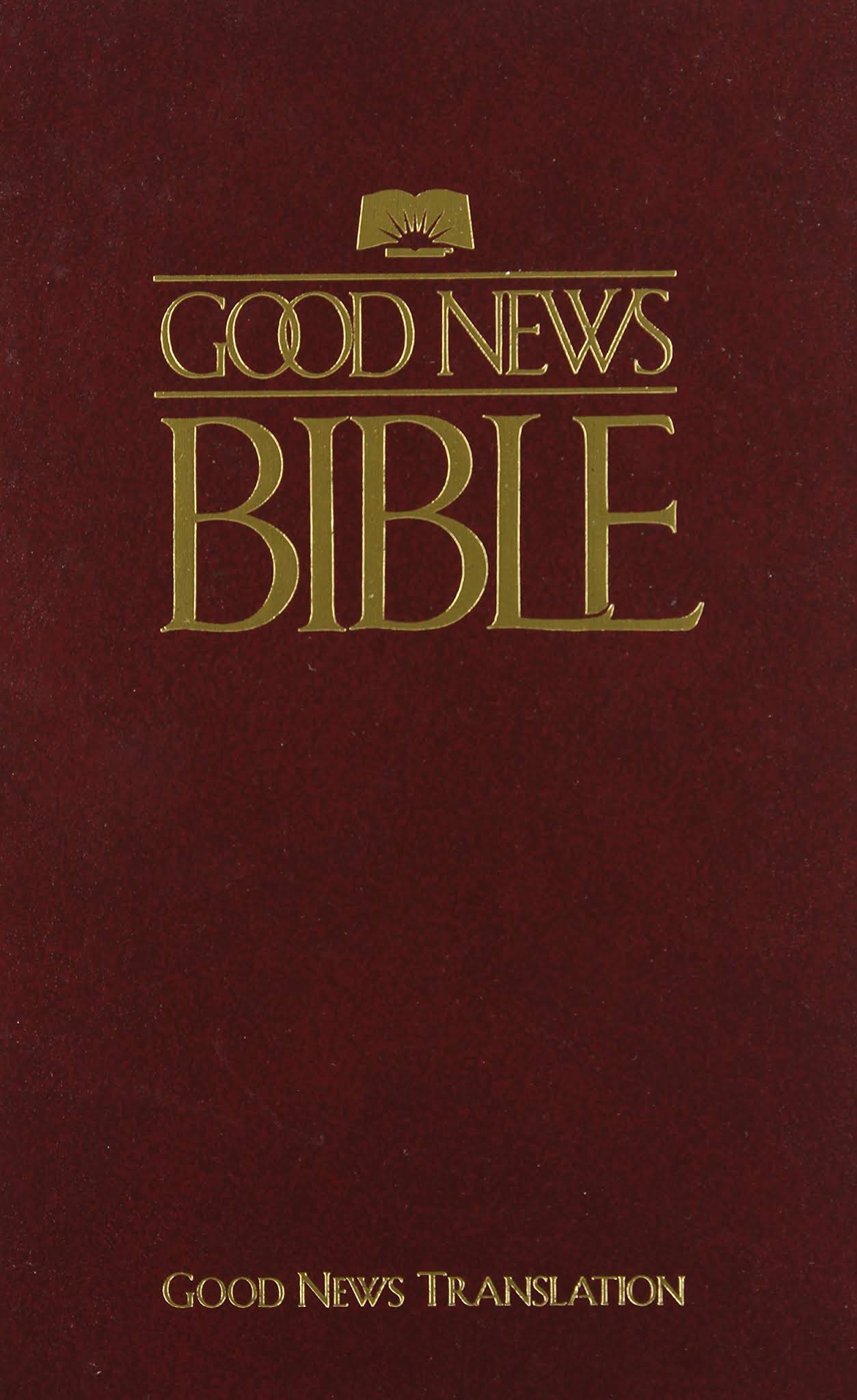
This year, 2021, I decided to read the whole Bible. It has been far too long since I've read the Bible in one year-so I thought it was time to discipline myself to take on this commitment. When was the last time you read the whole Bible in one year? I recommend it to you if you haven't ever done so; or if it has been sometime ago since you made the commitment to do so. As some of you may know, there are numerous schedules available for reading the Bible in one year. The schedule that I've chosen is from the Good News Translation Bible, published by the Canadian Bible Society. It is titled: "Read the Bible in a Year." This schedule can be a challenge some days, for example, on January 28th, the selected reading consisted of the first six chapters of Leviticus! Not exactly something I'd normally choose! On average, I'd say so far the schedule is about three chapters per day-sometimes more, sometimes less.
One of the advantages/blessings of reading lengthy passages of the Bible is that you develop a greater appreciation for the contexts in which many of the passages occur; as well as becoming more aware of significant theological and other motifs (some of which are repetitive) in a particular Book of the Bible.
In addition to reading through the Bible in one year, I've also decided to make brief notes on the text. I wrote the following notes on today's reading, Leviticus 15-19.
In chapter 15, the LORD instructs Moses and Aaron concerning bodily discharges; bodily cleanness and uncleanness; and purification practices and offerings. To touch someone who was ritually unclean due to bodily discharges also made one ritually unclean.
In chapter 16, the LORD instructs Moses regarding the purification rituals and rites for the Day of Atonement. The Day of Atonement was to be observed once a year as "an everlasting statute." (Leviticus 16:34) The word Azazel may refer to a desert demon; or it may refer to a complete removal of sin, when Aaron or a successor priest placed both hands on the live goat's head and confessed all of Israel's sins, which transferred the sins to the goat, and then the goat was sent into the wilderness.
In chapter 17, the LORD tells Moses to speak what the LORD commanded to Aaron, his sons and all Israelites concerning the slaughter of animals and sacrifices of well-being. The LORD prohibits Israelites and resident aliens among them from eating blood. Blood is to be regarded as a sign/symbol of life and sacred, as it makes atonement when sprinkled or thrown/poured on or near the tabernacle altar.
In chapter 18, the LORD instructs Moses to speak to all Israel concerning forbidden sexual relations. They are forbidden to have sexual intercourse with their relatives, e.g. children, parents, siblings, aunts and uncles, etc. Homosexual activity is regarded as "an abomination," sexual relations with an animal is "a perversion." Sacrificing children to Molech profaned the name of God. God defiled the land of Canaan and Egypt because their citizens practiced these forbidden sexual relations.
In chapter 19, the LORD instructs Moses to speak to Israel concerning ritual and moral holiness and justice. The chapter repeats, after each holiness and justice injunction: "I am the LORD your God," or "I am the LORD." This emphasizes the divine origin and authority of each injunction. Among that which is forbidden is mixtures of differing materials for clothing, which today, is difficult, since a lot of clothing has mixed materials. The chapter ends with the reminder that the LORD delivered Israel from Egyptian slavery, and the command to keep all his statutes and ordinances-likely in order that Israel does not become an oppressive or corrupt nation like the neighbouring ones around them.
With regards to all of the rituals and rites, statutes and ordinances, etc., Aaron and his sons the priests would be kept very busy and need to be able to remember a lot of details concerning religious, legal, and medical best practices.